



Have you ever finished a long day at your computer only to realize your eyes feel tired, your head aches, and you're ready to take your glasses off the minute you walk through the door?
You're not alone.
Whether you're working from home, spending hours in meetings, scrolling your phone, or streaming your favorite show, our eyes are working harder than ever before. According to recent studies, the average adult spends more than seven hours a day looking at digital screens—and for many professionals, that number is even higher.
The good news? A few simple habits, combined with properly fitting eyewear and regular eye exams, can make a tremendous difference in your comfort and your long-term eye health.
Why Does Screen Time Make Your Eyes Feel Tired?
Digital Eye Strain, sometimes called Computer Vision Syndrome, isn't caused by one thing. It's usually a combination of factors.
When you're focused on a screen, you naturally blink less often. Your eyes can become dry, fatigued, and irritated. You may also experience:
· Blurry vision
· Dry or watery eyes
· Headaches
· Neck and shoulder tension
· Difficulty refocusing after looking away from your screen
Many people assume they need a stronger prescription when the real issue may simply be eye fatigue, poor ergonomics, or eyewear that isn't comfortable enough for all-day use.
Comfortable Frames Matter More Than You Think
When people shop for glasses, they often focus on how the frames look.
But if you're wearing your glasses eight, ten, or even twelve hours a day, comfort becomes just as important as style.
A well-designed frame should feel balanced on your face—not heavy.
It shouldn't constantly slide down your nose.
It shouldn't pinch behind your ears.
It shouldn't leave deep pressure marks by the end of the day.
In fact, the best glasses are often the ones you hardly notice because they're so comfortable.
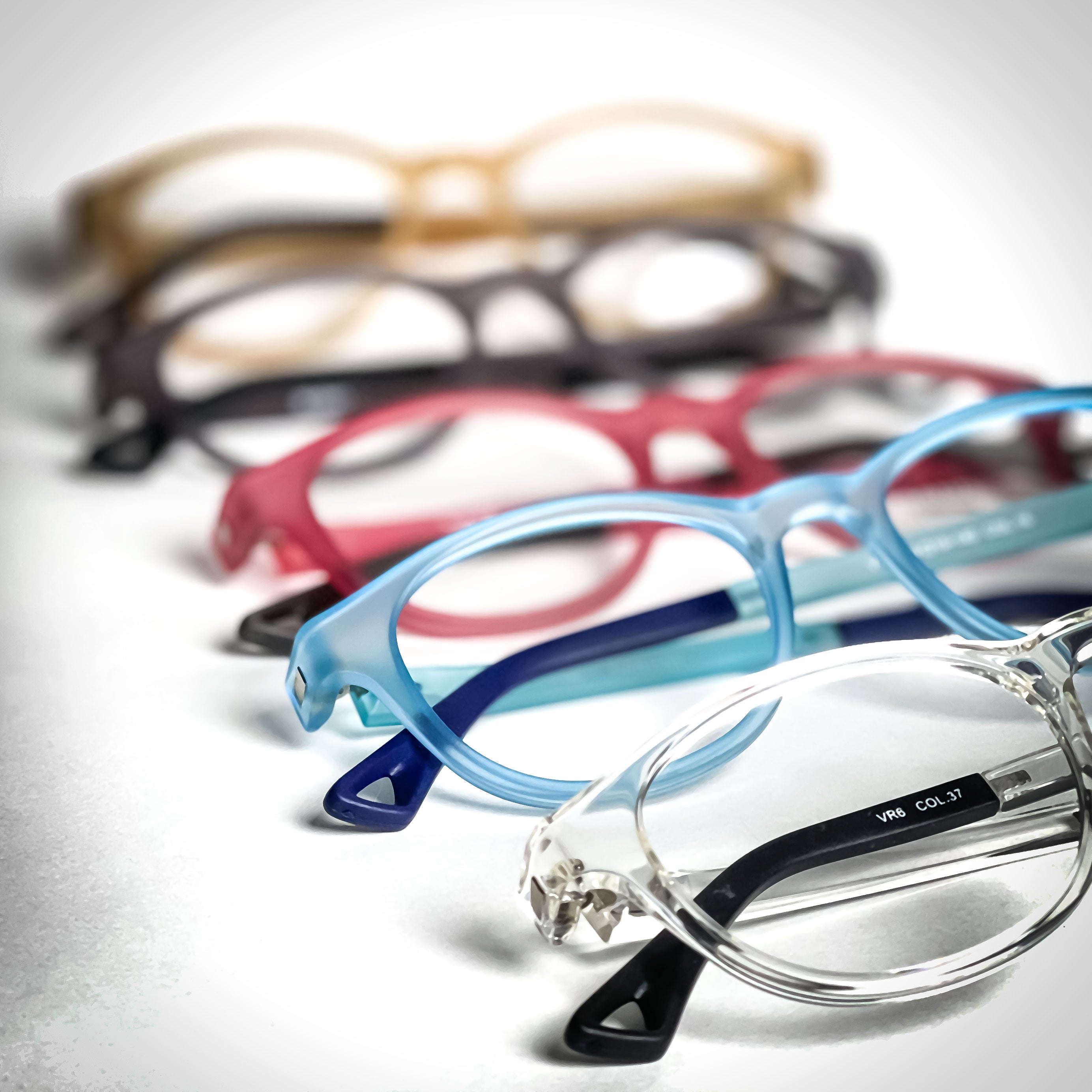
At Väri, that's the philosophy behind every frame we design. Lightweight materials, thoughtful construction, and balanced fit all work together so your glasses can keep up with your day—not distract from it.
How Should Your Glasses Fit?
One of the most common questions people ask is:
"How should my glasses fit?"
The answer is surprisingly simple.
Your glasses should feel secure without feeling tight.
When properly fitted, your frames should:
· Rest comfortably on your nose without excessive pressure.
· Stay in place when you move naturally.
· Sit evenly across your face.
· Feel balanced behind your ears.
· Allow you to wear them for hours without discomfort.
If you find yourself constantly pushing your glasses back into place or removing them because they're uncomfortable, it may be time for an adjustment—or a different frame altogether.
Simple Ways to Reduce Digital Eye Strain
Fortunately, protecting your eyes doesn't require dramatic lifestyle changes.
Follow the 20-20-20 Rule
Every 20 minutes, look at something at least 20 feet away for 20 seconds.
This simple habit gives your eye muscles a chance to relax and helps reduce fatigue throughout the day.
Blink More Often
It sounds simple, but most of us blink far less while using computers and smartphones. Making a conscious effort to blink helps keep your eyes naturally lubricated.
Position Your Screen Correctly
Keep your monitor about an arm's length away and slightly below eye level to reduce strain on both your eyes and your neck.
Reduce Glare
Position screens to minimize reflections, and consider anti-reflective lenses to improve visual comfort in bright offices and home workspaces.
Wear Comfortable Frames
If your glasses feel heavy or uncomfortable, your eyes—and your entire day—can feel more exhausting than necessary.
Comfort matters.
Don't Skip Your Annual Eye Exam
Even if your vision seems perfectly fine, routine eye exams are one of the best ways to protect your long-term eye health.
Your eye care professional can:
· Detect changes in your prescription.
· Identify early signs of eye disease.
· Monitor overall eye health.
· Recommend the best lenses for your lifestyle.
· Ensure your eyewear fits properly.
Many eye conditions develop gradually and without noticeable symptoms, making regular exams an important part of preventive healthcare.
Great Vision Starts with Great Eye Care
At Väri, we believe your eyewear should do more than complement your style.
It should support the way you live.
That's why we encourage every customer to visit their trusted eye care professional regularly, keep prescriptions up to date, and choose eyewear that's designed for lasting comfort.
Because when your eyes feel good, everything else becomes a little easier.
Comfort Looks Good On You.
Explore lightweight, thoughtfully designed frames with Virtual Try-On, Free Shipping, and Easy Returns at www.varieyewear.com.